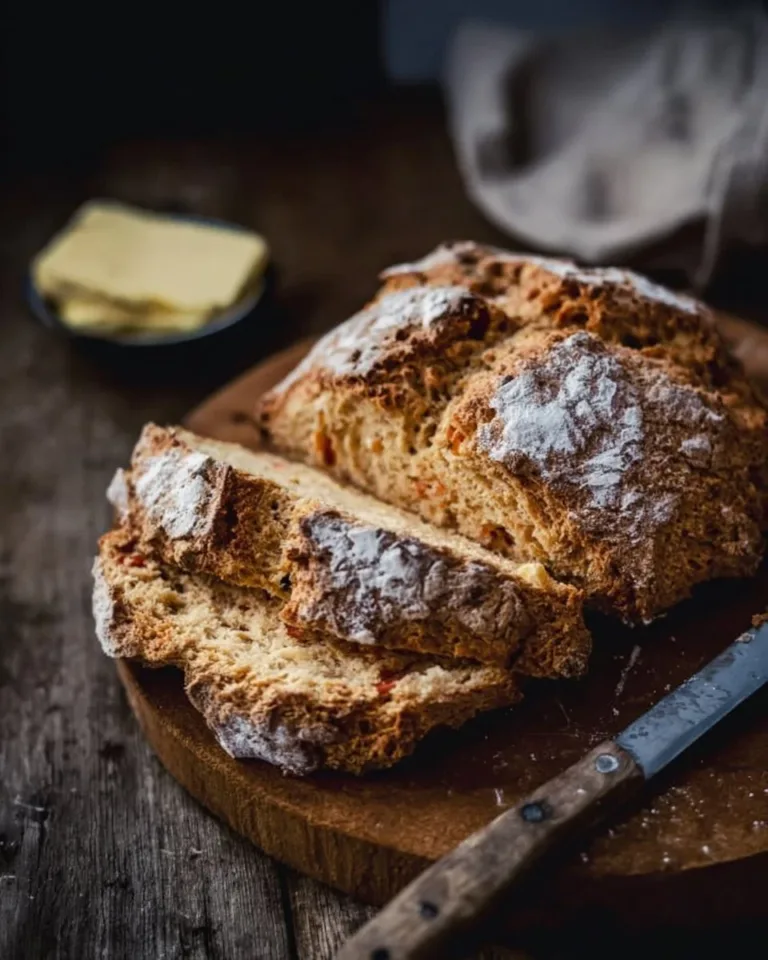
Molasses Brown Soda Bread
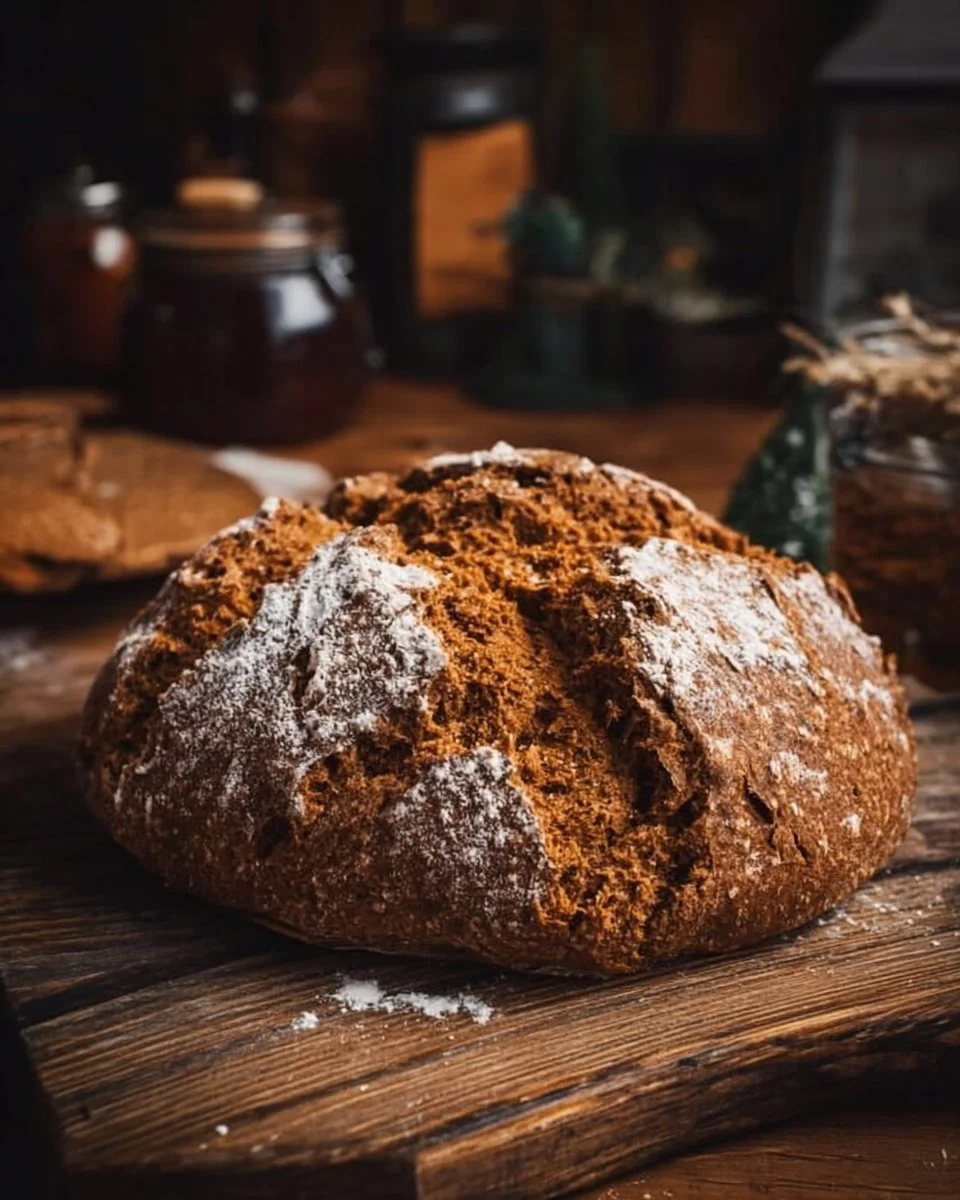
There’s something comforting about a rustic round of soda bread — crackly crust, tender crumb, and a warm, molasses-sweet edge that smells like a kitchen with good things happening. This molasses brown soda bread blends whole wheat heartiness with a touch of dark, rich molasses for depth. It’s quick (no yeast or rising time), forgiving for bakers of any level, and perfect for a cozy breakfast or as an accompaniment to stews and soups. If you like slightly sweet, dense quick breads, try pairing a slice with a creamy spread such as this brownie batter dip for an indulgent twist.
Why you’ll love this loaf
This is not your store-bought white sandwich bread. The molasses adds a caramel-like warmth while the whole wheat flour and wheat germ give it nutty complexity and extra fiber. It’s made in under an hour with pantry staples, so it’s great for last-minute guests, a weekend brunch, or a weekday when you want something substantial without babysitting yeast dough. Because soda bread uses baking soda and an acidic liquid (buttermilk), it’s fast and reliably risen — ideal when you want homemade bread without the fuss.
“Deep color, a crackly top, and just the right hint of molasses — this loaf keeps through the week and tastes better toasted.”
How this recipe comes together
- Preheat and prepare: Heat your oven hot so the loaf gets an initial oven spring and crust.
- Mix dry then wet: Whisk flours, wheat germ, baking soda and salt; whisk buttermilk, molasses and melted butter separately.
- Combine quickly: Stir wet into dry until just combined into a sticky dough — don’t overmix.
- Shape and score: Form a round, score a deep cross so heat penetrates evenly and tradition is honored.
- Bake in two stages: A high starting temperature to set the crust, then lower to finish through.
This straightforward flow means you can have warm bread on the table in about an hour.
What you’ll need
- 2 ½ cups all-purpose flour (plus extra for dusting)
- 1 ¾ cups whole wheat flour
- ¼ cup wheat germ
- 1 ½ tsp baking soda
- 1 tsp salt
- 1 ½ cups buttermilk (see substitutions note)
- 3 tbsp molasses
- 2 tbsp butter, melted
Notes and small substitutions:
- For a slightly lighter loaf, use 2 cups all-purpose and 1 ¼ cups whole wheat.
- If you don’t have buttermilk, mix 1 ½ cups milk with 1 ½ tbsp lemon juice or vinegar and let sit 5–10 minutes.
- Wheat germ adds nutty flavor and nutrition — omit if unavailable, but the texture will be a touch different.
Step-by-step instructions
- Preheat the oven to 425°F (220°C).
- In a large bowl, whisk together the all-purpose and whole wheat flours, wheat germ, baking soda, and salt until evenly combined.
- In a separate bowl, whisk the buttermilk, molasses, and melted butter until smooth.
- Pour the buttermilk mixture into the dry ingredients and stir with a wooden spoon until just combined and a sticky dough forms. Don’t overmix.
- Turn the dough onto a lightly floured counter. Gather it together and knead only a couple of times to make a smooth ball. Pat or roll the ball into a roughly 7-inch circle.
- Lightly flour a baking sheet and transfer the dough to it. Dust the top with a bit more flour. Using a sharp knife, score a cross about 1/2 inch deep into the top.
- Bake at 425°F for 15 minutes, then reduce the oven temperature to 375°F and bake another 30–35 minutes. The loaf is done when it has a deep color and sounds hollow when tapped on the bottom.
- Remove from the oven and wrap the still-warm bread in a clean tea towel. Let it rest wrapped for 20–30 minutes before slicing.
How to plate and pair
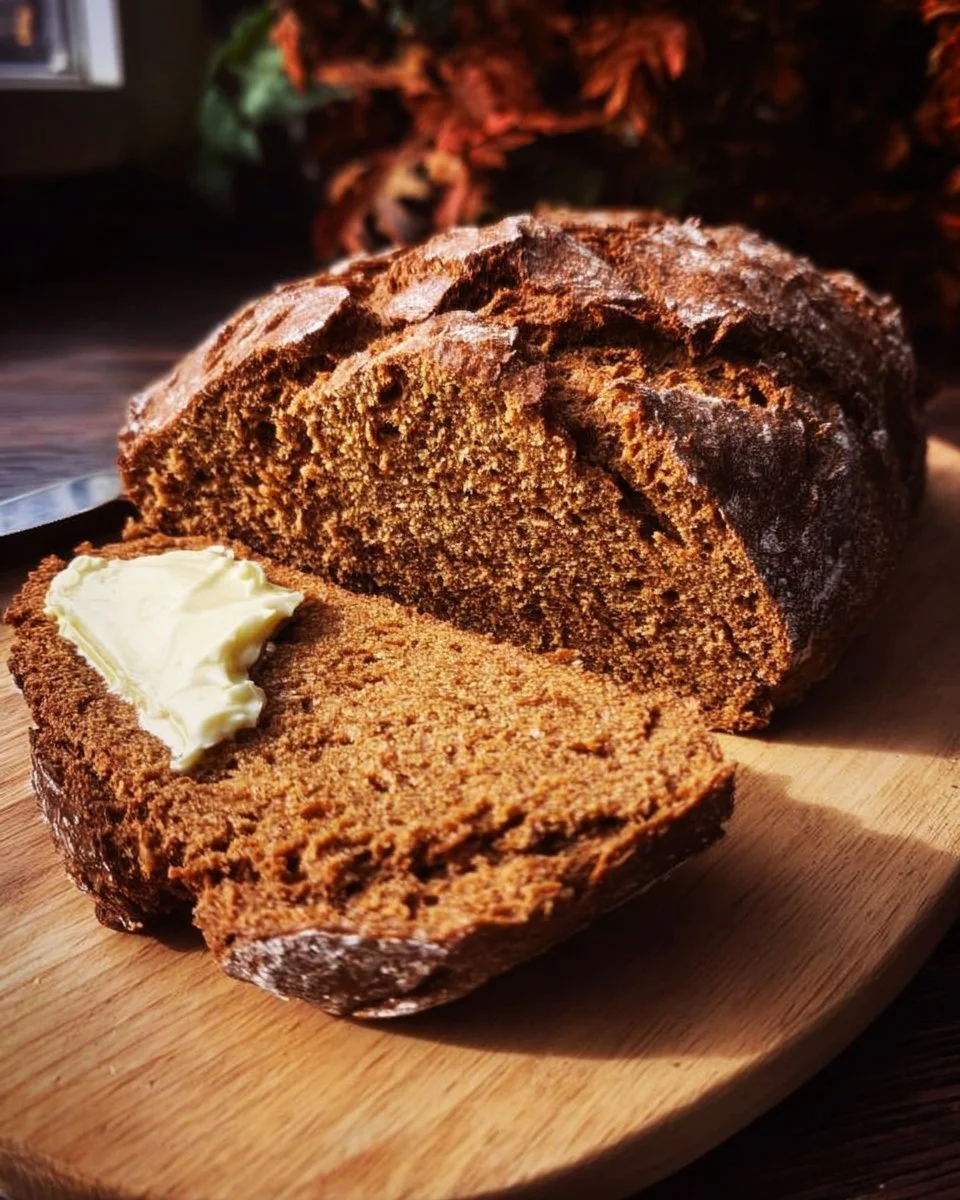
Serve slices slightly warm with salted butter and a drizzle of extra molasses if you like bold flavor. This bread pairs beautifully with:
- Hearty soups and stews (beef stew, lentil soup).
- Soft cheeses like Brie or a sharp cheddar for contrast.
- Jam or honey for breakfast.
For a sweet-savory breakfast, toast slices and top with ricotta and orange zest. If you have leftover slices, consider stirring torn pieces into a savory bread pudding or using them alongside a wholesome grain bowl like the brownie batter overnight oats for a creative brunch plate.
Storage and reheating tips
- Room temperature: Store in a paper bag or wrapped in a cloth-lined bread box for 1–2 days to maintain crust texture. Avoid plastic if you want to keep the crust crisp.
- Refrigerator: Not recommended — it speeds staling. Only refrigerate if your kitchen is very humid; use within 3–4 days.
- Freezing: Slice and wrap tightly in plastic wrap and foil, or use a freezer bag. Freeze up to 3 months. Thaw at room temperature and refresh in a 350°F oven for 8–10 minutes.
- Reheating: For a crisp exterior, reheat slices in a toaster oven or under the broiler briefly. Microwave for 10–15 seconds to soften, then toast for texture if needed.
Food safety: Always cool completely before wrapping for freezing to avoid trapped steam and sogginess.
Helpful cooking tips
- Don’t overwork the dough — minimal kneading keeps the crumb tender.
- Score the cross at least 1/2 inch deep to allow steam to escape and ensure even baking.
- If your oven runs hot or cold, use an oven thermometer — the two-stage bake depends on accurate temperatures.
- For deeper molasses flavor, swap 1 tbsp of buttermilk for 1 tbsp more molasses, but note the dough will be darker and slightly denser.
- To test doneness besides tapping for a hollow sound, an internal temperature of about 200–205°F (93–96°C) indicates a fully baked loaf.
Creative twists
- Seeded top: Brush the top with melted butter and sprinkle mixed seeds (pumpkin, sunflower, sesame) before baking.
- Raisin or currant version: Fold in 1/2–3/4 cup dried fruit for a sweeter, tea-time loaf.
- Savory variation: Reduce molasses to 1 tbsp, add 1 tsp caraway seeds and 1/2 cup grated sharp cheddar for a savory spin.
- Gluten-free: Use a tested 1:1 gluten-free flour blend and add 1 tsp xanthan gum; texture will differ.
- Vegan: Replace buttermilk with a plant-based milk soured with lemon, and use coconut oil or vegan butter for the fat.
Common questions
Q: How long does this bread take from start to finish?
A: About 55–65 minutes total: 10–15 minutes prep, plus roughly 45–50 minutes baking and resting.
Q: Can I use only all-purpose flour?
A: Yes — you can swap some or all whole wheat for all-purpose. The loaf will be lighter and less nutty but still delicious.
Q: Why is the cross scored on top — is it just tradition?
A: Scoring ensures the hot oven heat can penetrate the dense dough and helps the loaf bake evenly; it’s both functional and traditional.
Q: Can I reduce the molasses if I don’t like it too sweet?
A: Absolutely. Reduce to 1–2 tablespoons if you prefer a subtler molasses note.
Q: How can I tell when it’s fully baked?
A: Look for deep golden-brown color and tap the bottom — it should sound hollow. An internal thermometer reading of ~200–205°F confirms doneness.
Q: Is the wheat germ necessary?
A: No, but it adds flavor and nutrition. If omitted, the texture will be slightly less nutty.
Conclusion
If you want a fast, hearty loaf that delivers rustic flavor and a hint of molasses warmth, this molasses brown soda bread is a dependable favorite. For another take on the same classic with slightly different balance and notes, see this version at Molasses Brown Soda Bread | Recipes from Fall in Mordor.
PrintMolasses Brown Soda Bread
A hearty and comforting molasses brown soda bread, perfect for breakfast or as an accompaniment to soups and stews. Quick to prepare, requires no yeast, and features a deliciously sweet and nutty flavor.
- Prep Time: 15 minutes
- Cook Time: 45 minutes
- Total Time: 60 minutes
- Yield: 8 servings
- Category: Bread
- Method: Baking
- Cuisine: American
- Diet: Vegetarian
Ingredients
- 2 ½ cups all-purpose flour (plus extra for dusting)
- 1 ¾ cups whole wheat flour
- ¼ cup wheat germ
- 1 ½ tsp baking soda
- 1 tsp salt
- 1 ½ cups buttermilk
- 3 tbsp molasses
- 2 tbsp butter, melted
Instructions
- Preheat the oven to 425°F (220°C).
- In a large bowl, whisk together the all-purpose and whole wheat flours, wheat germ, baking soda, and salt until evenly combined.
- In a separate bowl, whisk the buttermilk, molasses, and melted butter until smooth.
- Pour the buttermilk mixture into the dry ingredients and stir with a wooden spoon until just combined into a sticky dough. Don’t overmix.
- Turn the dough onto a lightly floured counter. Gather it together and knead only a couple of times to make a smooth ball. Pat or roll the ball into a roughly 7-inch circle.
- Lightly flour a baking sheet and transfer the dough to it. Dust the top with a bit more flour. Using a sharp knife, score a cross about 1/2 inch deep into the top.
- Bake at 425°F for 15 minutes, then reduce the oven temperature to 375°F and bake another 30–35 minutes. The loaf is done when it has a deep color and sounds hollow when tapped on the bottom.
- Remove from the oven and wrap the still-warm bread in a clean tea towel. Let it rest wrapped for 20–30 minutes before slicing.
Notes
Serve with salted butter and a drizzle of extra molasses. Pairs well with hearty soups, soft cheeses, or jam for breakfast. Store at room temperature for 1–2 days or freeze for up to 3 months.